When we hunt for the cheapest roofing materials, we’re really asking a bigger question: how do we spend less today without buying headaches for tomorrow? In a rainy, moss-prone region like Western Washington, think Everett to Tacoma, the whole I-5 stretch, cheap can turn expensive fast if we pick the wrong system for our roof pitch or climate.
In this guide, we’ll compare low-cost materials for pitched and flat roofs, highlight hidden costs that quietly nuke budgets, and share field-tested ways to cut roofing costs without cutting corners.
What “Cheapest” Really Means in Roofing
Upfront price versus lifetime cost
We all love a low bid. But roofs live with wind, UV, and a year’s worth of rain. The least expensive shingle today can cost more over 15-20 years than a slightly pricier option that lasts longer or lowers energy use.
Two practical metrics help:
- Cost per year of service: take installed cost and divide by expected years. A $6,000 roof that lasts 12 years runs $500/year: an $8,000 roof lasting 20 years is $400/year. Simple math, big difference.
- Cost per square foot including accessories: underlayment, flashing, vents, and fasteners can add $1-$3 per square foot on top of the shingle or membrane. We see folks forget this all the time.
Material pricing moves, too. The Bureau of Labor Statistics’ producer price indexes showed sharp roofing-material increases in 2021-2022, then some moderation in 2023-2024, but it’s not exactly bargain-bin stable. Check current trends before locking in a quote. Source: U.S. BLS PPI tables.
Roof design, labor, and local rules
On a simple gable roof, three-tab shingles are cheap to install. Add hips, valleys, dormers, skylights, or a low-slope tie-in, and labor hours balloon. Steeper pitches need more safety setup and take longer. In the Seattle area, permit rules also matter, many jurisdictions let you overlay one new asphalt layer over an old one, but not if there are two layers already, or if the deck is spongy. Washington adopts the International Residential Code: reroof rules live in WAC 51-51 (IRC R908). Link: Washington Administrative Code 51-51.
We’ve seen inspectors ask for ice-and-water shield in certain eaves or transitions even west of the Cascades, and wind-uplift nailing patterns near the coast. It’s not nitpicking: it’s protection. Cheap has to comply, or it’s not cheap, because failed inspections cost time and money.
Popular Roofing Materials and Their Characteristics
To help you make an informed decision about your roof, let’s explore various roofing materials, their costs, durability, and suitability for different conditions. This comparison will help homeowners choose the best value for their roof while considering factors like roof cost, roof structure, energy costs, and maintenance requirements. Roofing material prices can vary, so always get at least three quotes from contractors.
Asphalt shingles
Asphalt shingles are the most common type of roofing materials for residential roofs. Asphalt shingles is more price friendly for most homeowners. The initial cost of asphalt shingles is low, and they are easy to install. Asphalt shingles remain popular because they balance cost and durability. However, in harsh weather conditions, asphalt shingles may have a shorter lifespan.
Many homeowners choose asphalt shingles to lower the costs of roof replacement. Asphalt shingles can be basic three tab shingles or architectural shingles. Asphalt shingles are a cost effective option for an affordable roof. Contractors often recommend asphalt shingles for their ease of install and low price.
Metal roofing
Metal roofing is gaining popularity due to its durability and long lifespan. Metal roofing is durable and can withstand severe weather. Homeowners in areas prone to heavy snowfall or salt air may find metal roofing a better investment. The price of metal roofing can vary widely, but it is often cost effective over time.
Types of metal roofing include metal shingles, aluminum shingles, steel roofing, and standing seam metal roofing. Metal shingles mimic the look of other materials while providing the benefits of metal roofing. Metal shingles are a durable choice for roofs. Aluminum shingles are lightweight and resistant to corrosion, making them ideal for metal roofing in coastal areas. Steel roofing is strong and affordable, a common form of metal roofing.
Standing seam metal roofing is known for its clean lines and aesthetic appeal. Standing seam metal roofing provides excellent waterproofing with its standing seam design. The standing seam in standing seam metal roofing helps prevent leaks in damp conditions. Standing seam is a key feature in premium metal roofing. Metal roofing materials are fire resistant and naturally fire resistant in some cases.
Metal roofing can save money on energy costs by reflecting more sunlight. For install, metal roofing requires skilled contractors. Metal roofing is a good choice for an affordable roof with good durability. Contractors praise metal roofing for its low maintenance requirements.
Wood shingles and shakes
Wood shingles provide natural aesthetic appeal to the roof. Wood shingles are made from wood and are durable in certain climates. However, wood shingles have maintenance requirements, especially in damp conditions.
Wood shakes are similar to wood shingles but thicker. Wood shakes offer a rustic look but can be more expensive. In hot climates or areas prone to fire, wood shingles may not be the best roofing choice unless treated to be fire resistant. Many homeowners choose wood shingles for luxury homes. Wood shingles can be a cost effective option if the roof structure supports them.
Clay and concrete tiles
Clay tiles are known for their durability and fire resistant properties. Clay tiles are suitable for hot climates and harsh weather conditions. Clay tiles offer natural beauty and can last a long time but have a premium price. Clay tile roofs are common in regions with more sunlight.
Clay tile roofs provide excellent insulation and aesthetic appeal. Concrete tiles are similar to clay tiles but often more affordable. Concrete tiles offer good aesthetic appeal and are durable. Concrete tiles are fire resistant and can handle heavy snowfall. The price of concrete tiles can vary widely.
Both clay tiles and concrete tiles are heavy, so the roof structure must be checked by contractors. They are a good option for roof replacement in sunny areas. Clay tiles and concrete tiles may qualify for better insurance coverage due to being naturally fire resistant. Clay tile roofs can be a worthwhile investment for homeowners seeking long-term value.
Slate roofing
Slate roofing is a premium roofing material with exceptional durability. Natural slate is sourced from quarries and has natural beauty. Synthetic slate is a more cost effective alternative to natural slate. Slate roofing has a very long lifespan, often over 50 years.
Slate roofing is fire resistant and can withstand severe weather. The price of slate roofing is high, but it’s a worthwhile investment for luxury homes. Slate roofing requires skilled contractors for install due to its weight. Many homeowners admire the aesthetic appeal of slate roofing. Slate is heavy, so the roof structure must support slate. To save money, some choose synthetic slate over natural slate.
Slate roofing offers the best value for those seeking long-term durability. Slate is durable and varies widely in color. Slate can crack if not handled properly, but properly installed slate lasts generations. Slate is not suitable for all roof pitches, but slate adds premium price value. Slate provides excellent fire resistant protection. Contractors recommend slate for high-end roofs.
Composite shingles
Composite shingles blend materials for enhanced durability. Composite shingles are a cost effective choice for homeowners looking for better performance than basic asphalt. Composite shingles mimic the look of slate or wood while being more affordable. Composite shingles have a longer lifespan than tab shingles in some cases. Composite shingles are easy to install and offer good aesthetic appeal.
Low-Cost Materials for Pitched Roofs
Three-tab asphalt shingles
Basic three tab shingles are usually the first stop when we talk low-cost roofing materials for a standard pitched roof (4:12 and up). Material costs are low, they’re light, and they install fast on simple layouts. Nationally, installed pricing often lands in the $3.50-$5.50 per square foot range for straightforward jobs, depending on region and access. Check a current estimator like HomeAdvisor for ballpark numbers.
Pros: budget-friendly, widely available, easy to repair. Cons: shorter lifespan than architectural shingles, more vulnerable to high winds. In the Puget Sound gusts, we prefer upgraded nailing and starter strips: it’s a few extra bucks that save callbacks.
One note we’ve learned the hard way: moss loves tab shingles on shaded, north-facing slopes. Plan for zinc or copper strips near the ridge and keep gutters clear. Maintenance is part of the price.
Corrugated metal panels
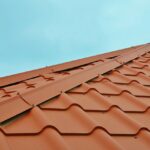
Wait, metal on the “cheap” list? Corrugated, exposed-fastener panels can be remarkably affordable on simple, long runs. The material is thin-gauge compared to standing seam metal roofing, and installers move fast because panels span more area per sheet. On sheds, cabins, and some homes in rural King and Snohomish Counties, it’s a smart budget play.
Pros: good longevity for the cost, sheds rain and needles, fire-resistant. Cons: exposed fasteners mean periodic re-screwing or gasket replacement as washers age: noise during heavy rain (which, honestly, some of us actually like). Installed pricing can overlap with architectural shingles, but the lifetime cost per year can be lower.
Pay attention to coating type (galvanized vs. Galvalume) and paint system. Cheaper coatings chalk faster in UV. For rainy Seattle, corrosion resistance wins.
Rolled asphalt roofing (for low-slope sections)
Rolled roofing (asphalt roll, “90-lb”) is sometimes used on low-slope porch tie-ins where shingles won’t perform. It’s about as basic as it gets: fast, cheap, and, let’s be blunt, temporary. Expect shorter service life than shingles or membranes, especially with ponding water. We only use it when the budget is tight and the area is small and well-drained.
If the low-slope area is larger or sees standing water after a storm, step up to a proper membrane (EPDM or modified bitumen). Rolled roofing isn’t a miracle worker.
Low-Cost Materials for Flat and Low-Slope Roofs
EPDM rubber membrane
For flat roofs, EPDM (ethylene propylene diene monomer) is the classic black rubber. EPDM is a type of rubber roofing that’s forgiving, available in large sheets, and relatively quick to install on wide-open decks. Material costs are friendly, and repairs are straightforward. We like rubber roofing for detached garages and ADUs around Shoreline and Burien where budgets run tight. Rubber roofing provides a waterproof membrane for the roof.
Pros: economical, proven track record, excellent UV resistance. Cons: black surface absorbs heat: in sunny climates that’s a negative, but in cooler Seattle it’s not horrible. Seams rely on tape or adhesive, so prep matters.
A cool nuance: EPDM’s lifecycle performance improves with proper substrate insulation and ballast or coatings where specified.
TPO single-ply membrane
TPO (thermoplastic polyolefin) is the bright-white single-ply you see on commercial buildings, increasingly on homes with modern low-slope designs. It reflects sunlight well, which can help with cooling loads. According to the U.S. Department of Energy, reflective “cool roofs” reduce heat gain and can cut air-conditioning use in warm seasons. Source: U.S. DOE on cool roofs.
Pros: reflective, heat-welded seams (strong when done right), competitive pricing. Cons: quality varies by manufacturer and installer skill: poor welds equal future leaks. In our climate, we like TPO when there’s summer sun exposure and homeowners want lower roof temps under that top-floor bedroom.
If you’re comparing EPDM vs. TPO strictly on cost, they’re often close. We lean TPO for reflectivity, EPDM for simplicity and repairability, small tilt either way.
Modified bitumen
Modified bitumen (SBS or APP) bridges the gap between old-school built-up roofing and modern membranes. It comes in rolls that are torched, cold-applied, or self-adhered. For small residential flats, say, a kitchen bump-out, self-adhered mod bit can be the affordable sweet spot.
Pros: rugged cap sheet, good puncture resistance, easy detailing at edges. Cons: torch-applied systems require fire-safe protocols (we don’t torch near dry cedar siding, for obvious reasons). Pricing often lands between EPDM and TPO depending on install method.
If you’ve had ponding, add tapered insulation to create positive slope. Yes, it costs more up front, but water that moves off the roof doesn’t find seams.
Hidden Costs That Can Erase Savings
Tear-off versus overlay
Overlaying new shingles over one existing layer saves tear-off labor and dump fees, sometimes $1-$2 per square foot in our market. But it’s not always allowed. The Washington-adopted IRC limits overlays depending on condition and number of layers, and soft decking or existing leaks are a hard stop. Also, overlays add weight and can telegraph bumps, which shortens the new roof’s life. Cheap now, costly later if the deck rots unseen. Existing shingles must be in good condition for an overlay on the roof.
Before deciding, we probe the deck with fastener pull tests and check attic ventilation. If the roof can’t breathe, an overlay locks in moisture.
Underlayment, flashing, and deck repairs
Budget quotes that skip premium underlayment (like an ice-and-water membrane at eaves and valleys), new pipe boots, and proper step flashing around sidewalls are not apples-to-apples. Those bits are where leaks start. We’ve opened up more than one “cheap” roof to find no kick-out flashing at a stucco wall, mold city.
Plan a contingency for decking. In older Seattle bungalows, 1x skip sheathing or shiplap may need repairs or a full OSB overlay to meet nail-hold specs. Add attic baffles if soffit vents are clogged. These are small line items that protect the big one.
When Paying a Little More Saves Money
Spending an extra $0.50-$1.00 per square foot for architectural shingles over three-tabs often buys 10+ more years of service and better wind ratings. In tree-heavy neighborhoods, Maple Leaf, Renton Highlands, that durability matters. White TPO over black EPDM can trim summer attic temps and reduce AC run time, per DOE cool roof guidance, which translates to utility savings over a decade.
Upgraded ventilation, too, isn’t glamorous but it’s cheap insurance. Ridge vent plus balanced intake lowers shingle temps and dries out the deck. The Insurance Institute for Business & Home Safety notes that proper fastening patterns and edge details materially improve wind performance: IBHS research center. That’s small money, big payoff.
We’ll say it plainly: sometimes the “cheapest” bid is missing the parts that stop leaks.
Smart Ways to Cut Roofing Costs
Get multiple bids and consider off-season scheduling
We recommend at least three quotes, apples-to-apples on scope. Ask for line items on tear-off, underlayment type, flashing, ventilation, and disposal. Prices swing more than you’d think based on crew availability. Winter in Western Washington has short work windows, sure, but you can sometimes lock in better scheduling or pricing. Just plan around rain, no one wants an open roof when the Pineapple Express rolls in.
Also, confirm warranty details in writing. A slightly higher bid with real labor and material warranties may be cheaper in practice. Contact a reliable roofing company for accurate quotes.
Choose in-stock materials and simple profiles
Supply-chain hiccups haven’t totally vanished. Picking in-stock shingles, common colors, and standard vents keeps costs predictable. Simple roof profiles, clean up those extra penetrations, skip unnecessary skylights, cut labor hours. We’ve trimmed days off jobs by reducing fussy details around dead valleys.
Repair strategically or replace one plane at a time
Not every roof needs full replacement today. If one slope under the fir trees is failing while the south slope still looks decent, we’ll sometimes replace the worst plane and buy a few years for the rest. It’s not perfect symmetry, but budgets aren’t symmetrical either.
Targeted repairs, reflashing a chimney, replacing compromised sheathing at an eave, adding a cricket, can extend life meaningfully. Just be honest about remaining lifespan: band-aids on a 25-year roof at year 24 is, well, wishful thinking. I almost forgot: document everything with photos for your records and future buyers.
Conclusion
If we had to name the low-cost roofing materials, three-tab shingles win for simple pitched roofs, and EPDM or modified bitumen often take the crown on small flats. TPO can be a cost-effective upgrade when reflectivity matters. But none of that beats a well-scoped project: solid underlayment, correct flashing, proper ventilation, and a crew that knows our soggy, mossy, beautiful corner of the country.
One last nudge: check local code, get comparable bids, and weigh lifetime cost, per year, not just per day. Spend where it prevents leaks. Save where complexity doesn’t add value. That’s how we keep roofs dry and budgets steady, even when the forecast looks “very Seattle.”
Further reading and sources:
- U.S. DOE on cool roofs
- NRCA overview of roof systems
- BLS producer price index (roofing materials trends)
- Washington residential code (WAC 51-51)
Frequently Asked Questions: Cheapest Roofing Materials
What are the low-cost roofing materials for a pitched roof?
For simple pitched roofs, three-tab asphalt shingles are usually the low-cost roofing materials, often installed around $3.50-$5.50 per square foot on straightforward jobs. Corrugated, exposed-fastener metal can be cost-competitive on long, simple runs. Avoid rolled roofing on steeper areas; it’s best reserved for small, low-slope tie-ins.
What are the low-cost roofing materials for flat or low-slope roofs?
EPDM rubber and modified bitumen are often the low-cost roofing materials for small flats, with TPO close on cost and offering better reflectivity in sunny conditions. Rolled asphalt is very low-cost but temporary. Choose based on roof size, drainage, and detailing needs; membranes outperform rolls where ponding water occurs.
How do I compare the low-cost roofing materials by true cost, not just price?
Use cost per year of service (installed price divided by expected lifespan) and include accessories—underlayment, flashing, vents, fasteners—when comparing per-square-foot costs. Factor labor complexity, pitch, and code requirements. Material prices fluctuate, so check current trends before signing a quote. The lowest bid can lose once longevity and accessories are included.
What hidden costs can make a cheap roof expensive?
Tear-off versus overlay rules, required underlayments, proper flashing, new pipe boots, ventilation upgrades, and deck repairs add real cost. Complex layouts (valleys, skylights, low-slope transitions) increase labor. Failing inspections for missing ice-and-water at eaves or improper nailing patterns costs time and money—skipping these details leads to leaks.
How long do budget roofing materials typically last?
Typical lifespans: three-tab shingles 12-20 years; corrugated exposed-fastener metal 20-30 years; rolled asphalt 5-10 years; EPDM 20-30 years; modified bitumen 15-25 years. Climate, installer skill, and maintenance matter—moss control, clean gutters, correct flashing, and ventilation can extend service life, especially in rainy, shade-prone regions.
Can I DIY the low-cost roofing materials to save money?
Possibly on small outbuildings using rolled roofing or corrugated panels, if you follow safety and manufacturer instructions. For homes, DIY can void warranties and miss critical details—flashing, ventilation, wind-nailing patterns, membrane seams—leading to leaks and failed inspections. Complex roofs and single-ply membranes are best left to licensed pros.

Matej Mikula is a Porrentruy-based master roofer specializing in sustainable roofing installations and repairs for residential and commercial properties across Switzerland.
Recent Post