What’s the real commercial roof replacement cost this year? We’re getting that question nonstop, especially from owners watching budgets tighten while maintenance backlogs grow. Prices have cooled from the wild swings, but labor, code, and logistics still drive big variance.
If you manage property in Washington, you can’t guess. You need a grounded range and the levers that move it. Here’s how we break it down, type, size, hidden costs, replace vs recover, bids, and even financing, to help you plan without surprises.
When dealing with commercial roofs, understanding the roof structure is key, as different commercial roofs have unique needs. Commercial roofing involves selecting the right roofing materials for the roof. Commercial buildings often require robust commercial roofing to withstand local climate conditions.
What Affects Commercial Roof Cost
Labor, access, and safety
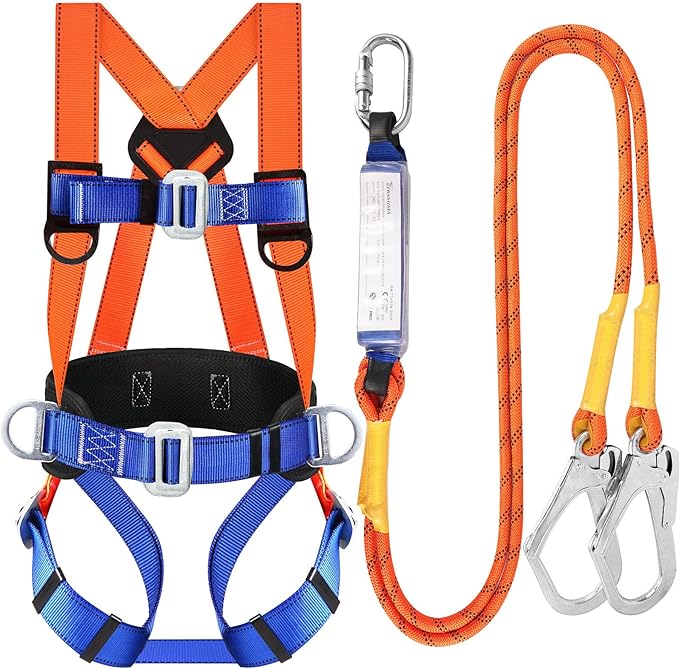
Labor is still the largest slice. Urban cores, prevailing wage jobs, occupied facilities, or night work all push rates north. If we need cranes, swing stages, hoists, or long material carries, production slows and the price climbs. Safety matters, too, OSHA fall protection and perimeter guardrails aren’t optional and add time and gear on every project (see OSHA basics).
Labor costs can vary significantly, and higher labor costs may apply in certain areas. Roofing contractors must account for these labor costs in their estimates. In commercial roofing, labor costs are a major factor, especially for commercial roof replacements.
Materials, insulation, and code
The membrane is only part of it. Insulation thickness to meet energy code, tapered crickets for drainage, and cover boards can double the material budget. Washington State Energy Code (WSEC-C) requires robust roof insulation on many occupancies: hitting prescriptive R-values is non-negotiable. And when we talk “white” or reflective membranes, DOE guidance on cool roofs still applies for heat gain and energy savings. Roofing materials play a crucial role in commercial roofing.
Different roofing materials, such as metal roofs or asphalt shingles, affect the overall cost. The choice of roofing material influences durability and energy efficiency. For commercial buildings, selecting the appropriate roofing material is essential. Metal roofs offer longevity, while other roofing materials provide different benefits. Roofing systems vary, and each roofing system has its own advantages. The roofing system you choose impacts the roof installation process.
Building complexity and climate
Busy roofscapes, think RTUs, skylights, parapets, and a tangle of conduits, add flashing hours and detail work. In Western Washington, constant moisture and moss aren’t just annoying: they hint at trapped water in the system. That’s where core cuts or infrared scans pay off, because wet insulation changes everything, especially whether a recover is even allowed.
Local climate affects commercial roofs greatly. Commercial flat roofs are common in such climates, and sloped roofs may be used for certain commercial buildings. The existing roof condition determines if a new roof is needed. Commercial flat roofs require specific roofing materials to handle moisture.
Cost Ranges by Roof Type and Roof Size
We’ll speak in typical national ranges we’ve seen across 2024–2025 with adjustments for the Northwest. Your actual number will hinge on access, code, and scope. Commercial roof costs vary by type, and understanding average cost helps in planning.
Single-ply (TPO, EPDM, PVC)
- TPO: A recover over a dry, single layer often lands around $4.00–$7.00 per sq ft. Full tear-off with new insulation to code and 60–80 mil membrane: roughly $7.00–$12.00 per sq ft. TPO remains the workhorse on low-slope.
- EPDM: Similar to TPO on cost, $4.00–$7.00 recover: $7.00–$12.00 full replacement, often chosen for its puncture resistance and ease of detailing. Single ply roofs like EPDM are popular for commercial roofs.
- PVC: Chemically resistant and great around restaurants or labs. Expect a premium: about $8.00–$14.00 per sq ft for a comprehensive replacement. PVC is a common roofing material for commercial flat roofs.
Asphalt systems (modified bitumen, BUR)
- Modified Bitumen (SBS/APP): Durable, especially with a cap sheet in granules. We typically see $6.00–$11.00 per sq ft depending on plies, insulation, and tear-off. Modified bitumen is a reliable choice for commercial roofing.
- Built-Up Roofing (BUR): Multi-ply hot systems with gravel or cap, $8.00–$13.00 per sq ft. Fewer installers run hot kettles now, which can influence market price locally. Built up roofing suits many commercial roofs. Built up roof systems provide multiple layers for added protection. Built up roof options include built up bituminous roofing for durability.
Spray foam and roof coatings
- Spray Polyurethane Foam (SPF): High R-value per inch and seamless detailing around penetrations. Usually $5.50–$10.00 per sq ft including elastomeric coating and granules. Strong option on recoverable decks.
- Coatings (silicone, acrylic): Not a roof replacement by themselves, but a restoration path on sound substrates. Budget $2.50–$5.00 per sq ft depending on thickness, repairs, and warranty. We use them carefully, great tool, not a cure-all. Silicone roof coatings extend the roof’s lifespan on commercial flat roofs.
Metal (standing seam)
On steep-slope commercial or architectural sections, factory-formed standing seam is in the $10.00–$18.00 per sq ft band. Longer life, higher upfront. Snow retention, underlayment class, and trim complexity matter. Metal roofs are ideal for sloped roofs. Metal roofing provides low maintenance for commercial buildings. Standing seam metal roofs handle foot traffic well. Metal roof options include standing seam for taller buildings.
How roof size changes price
There’s a real economy of scale. Larger roofs benefit from lower costs per square foot due to efficiency.
- 5,000 sq ft retail box: Mobilization dominates, so a TPO replacement could be $9–$12 per sq ft.
- 20,000 sq ft light industrial: Better efficiency: we often hit $7–$10 per sq ft for TPO with code-min insulation.
- 100,000+ sq ft distribution: With easy access and wide-open runs, pricing can compress into the $6.50–$9.00 per sq ft range for single-ply replacements. Square footage impacts the total cost, with more square footage leading to better rates per square foot.
Quick side note owners ask
Is TPO cheaper than EPDM? Usually by a hair on materials, but the real delta shows up in detailing and labor. And in rainy Seattle seasons, the white TPO dries faster visually, but we still chase moisture in seams the same way, we’re picky there. Average price ranges for these roofing systems are similar.
Hidden and Soft Costs to Include in Your Budget
Tear-off, disposal, and deck repairs
Removing multiple layers, hauling debris, and replacing rotten decking adds $0.50–$2.00 per sq ft quickly. Saturated ISO is heavy and not cheap to dump. Complete tear off is necessary for worn down roof conditions. Tear off costs are part of commercial roof replacement costs.
Permits, design, and safety infrastructure
Permits, stamped details, wind uplift design (FM 1-90 or project-specific), and safety set-ups add real dollars. Don’t forget temporary protection for occupants, especially over sensitive operations. Occupied buildings require careful planning during commercial roof installation.
Warranties, edges, and logistics
Manufacturer NDL warranties often cost $0.15–$0.50 per sq ft. New edge metal, gutter upgrades, overflow scuppers, and crane time can each tack on a few thousand. None of this is glamorous, but it’s the difference between a tidy project and weeks of change orders. Roofing warranties ensure the finished roof lasts. Transport materials add to logistics costs. Additional costs include these elements in commercial roofing projects.
Replace or Recover? Price, Code, and Lifecycle
Code and moisture decide first
The International Building Code generally allows only one recover, and not over wet or deteriorated materials. We verify with core cuts or infrared. If the insulation is saturated or there’s more than one roof in place, it’s replacement, full stop. Multiple layers may require a tear off for the roof replacement.
Lifecycle math (not just the sticker price)
A recover can shave 20–35% off upfront cost. But if you trap moisture or skip tapered insulation, you’ll pay later in blisters, ponding, and energy. Over 20–30 years, the “cheaper” option sometimes costs more in leaks and lost R-value. Upfront costs should be weighed against long-term savings. Cost effective solutions consider the roof’s lifespan.
Operations and timing
Recovers are quicker and less disruptive, huge for hospitals, schools, or food processors. We often phase replacements to keep occupants dry and calm: weather windows around Seattle are tight, so scheduling is part math, part art. HVAC systems on the roof need protection during the process. Commercial properties like occupied buildings benefit from proper timing.
How to Get Accurate Bids and Compare Proposals
Define the scope like a spec
Ask bidders to price the same playbook: membrane type and thickness (e.g., 60 vs 80 mil), attachment (mechanically attached vs adhered), insulation R-value and tapered layout, cover board type, edge metal gauge, and a manufacturer NDL warranty term (20–30 years). Apples to apples or it’s just noise. Accurate estimate depends on clear specs for the commercial roofing system.
Do a joint roof walk and core cuts
We like to walk the roof with you and competitors. Coring the assembly, checking for moisture, and mapping drainage gives everyone the same facts. If you can, request an infrared survey when recover is on the table. Free inspection can reveal issues in the old roof.
Use unit prices and alternates
Ask for unit rates for deck replacement, added insulation, and sheet-metal linear feet. Useful alternates: walkway pads, additional crickets, thicker cover board. Several factors and other factors influence the final cost.
Financing, Incentives, and Insurance
Tax deductions to discuss with your CPA
- Section 179: Many small and mid-sized businesses can expense qualifying roof improvements on nonresidential buildings up to the annual limit, talk to your advisor (IRS overview).
- Section 179D: The Energy Efficient Commercial Buildings Deduction can be worth several dollars per sq ft when you achieve modeled energy savings and meet labor requirements. Roof insulation upgrades can contribute as part of the envelope pathway (details).
C-PACER in Washington
Washington’s Commercial Property Assessed Clean Energy and Resiliency (C-PACER) program lets owners finance energy and resiliency upgrades, including roofs with insulation or wind/seismic improvements, through a property assessment with long terms. Not every county participates, but King, Snohomish, and others do: check locally. Building owners can benefit from this for commercial roof systems.
Utility and energy angle
Reflective membranes and thicker insulation reduce heat gain and heat loss. The DOE still points to cool roofs and better R-values as proven energy savers: that’s not just theory when electricity rates keep inching up. Fewer rebates exist in the Northwest compared to hot-sun markets, but the operating savings are real over 20–30 years. Energy efficiency is key for low maintenance roofs.
Insurance claims (wind, hail, and “sudden”)
If damage comes from a covered peril, your policy may fund replacement to code, subject to deductibles and ACV/RCV terms. We document pre-existing conditions carefully, photos, moisture readings, deck probes, so adjusters see what’s storm vs. age. It’s tedious: it’s worth it. Roof repair may be covered, but full roof replacements are often needed.
Conclusion
The commercial roof replacement cost usually settles somewhere between $6 and $12 per sq ft for single-ply tear-offs, with specialty systems pushing higher and recover options lower. But that headline number hides the true drivers: insulation to code, access, moisture, and scope clarity. If we were in your shoes, we’d start with a moisture survey, define an apples-to-apples spec, and price both recovery and replacement to see the lifecycle picture clearly. Properly installed roofs offer cost effective solutions. Residential homes differ from commercial properties in roofing needs. Labor shortages can affect timelines, among other factors.
Commercial Roof Cost: Frequently Asked Questions
What is the average commercial roof replacement cost in 2025
For Washington owners, the average cost for commercial roof replacement (single-ply tear-off) is typically $6–$12 per sq ft. TPO/EPDM recovers run $4–$7; PVC and metal trend higher, coatings $2.50–$5 are restorations. Final pricing depends on access, insulation to code, and scope. The average cost of commercial roof replacement varies, but this gives a solid range. Average price for such projects aligns with these figures.
What factors most affect commercial roof cost
The biggest drivers of commercial roof cost are labor and access. Urban sites, occupied facilities, cranes, and OSHA safety add hours. Materials matter too: insulation thickness to meet WSEC-C, tapered crickets, and cover boards. Complexity, penetrations, and moisture discovered by core cuts can force tear-offs and raise price. Commercial roofing contractors factor in these elements. The roofing company you choose impacts the quote.
Is it cheaper to recover or replace a commercial roof
A recover can cut upfront cost by roughly 20–35%, making it an attractive way to manage the commercial roof cost. But code allows only one recover and never over wet or deteriorated materials. Core cuts or infrared must confirm dryness; otherwise, full replacement is required. This decision affects commercial roof replacement costs significantly.
How does roof size change price per square foot
There’s real economy of scale. A 5,000 sq ft TPO replacement often prices at $9–$12 per sq ft; around 20,000 sq ft, $7–$10 is common; at 100,000+ sq ft with good access, $6.50–$9 is achievable. Mobilization, staging, and wide-open runs drive the savings. Smaller roofs have higher per square foot costs than larger ones.
How long does a commercial roof replacement take
Timelines vary by size, complexity, and weather. A 5,000 sq ft replacement may finish in 3–7 working days; 20,000 sq ft often takes 1–3 weeks; 100,000+ sq ft can run 3–6 weeks. Occupied facilities, crane logistics, inspections, and Seattle’s rain windows can add time. The installation process for commercial roof replacements depends on these factors.
Can you install a new roof on commercial buildings in winter in Washington, and does it change cost
Yes, but plan for weather windows and temporary protection. Heat-welded membranes (TPO/PVC) install well in cold; many adhesives have temperature limits and longer cure times. Short daylight, moisture control, and added safety can slow production, raising the commercial roof installation cost—modestly. Flat roofs and sloped roofs handle winter differently.

Oleksandr Kovalyov is a Ukraine-based roofer and multipurpose builder specializing in residential and commercial roofing installations, repairs, and sustainable construction practices.
Recent Post